

6303 Little River Turnpike, Suite 345 Alexandria, VA 22312


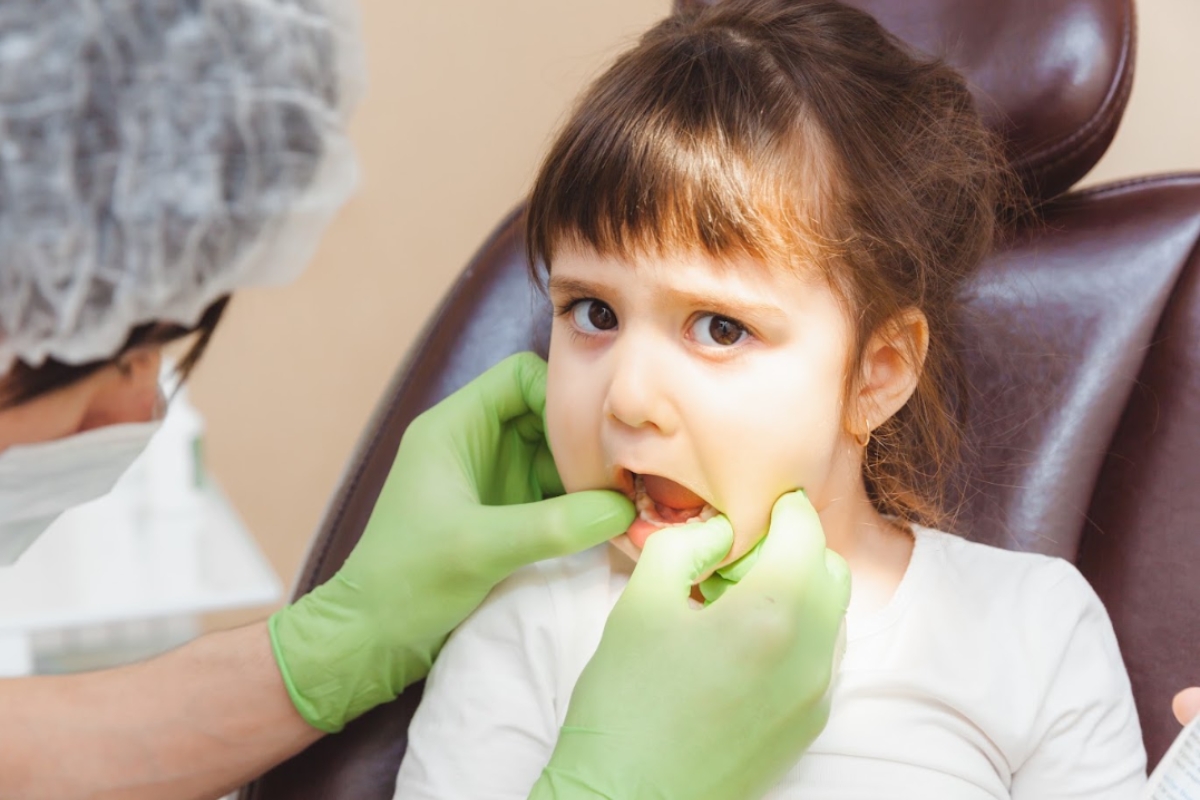
A trip to the playground, a bike ride down the block, or even a bite into something crunchy at dinner kids can end up with a dental injury in the blink of an eye. For Alexandria parents, knowing how to recognize pediatric dental emergencies and respond quickly can make all the difference in saving a tooth, easing pain, and preventing complications.
This guide walks you through the most common urgent dental situations in children, what to do in the moment, and when to call a pediatric emergency dentist in Alexandria, VA so you’re never caught off guard.
What Is Considered a Pediatric Dental Emergency?
Not every dental issue requires an immediate trip to the dentist. A pediatric dental emergency generally involves severe pain, trauma, bleeding, or signs of infection that can’t safely wait for a routine checkup.
Issues like a dull, occasional toothache or a small chip with no pain usually can wait for a scheduled visit. But anything involving a knocked-out tooth, uncontrolled bleeding, facial swelling, or intense pain needs prompt evaluation delaying care can sometimes lead to infection, tooth loss, or more complicated treatment down the road.
Common Pediatric Dental Emergencies Parents Should Recognize
Severe Toothache or Persistent Tooth Pain
Tooth pain in children is often caused by cavities, a cracked tooth, or something trapped between the teeth. Warning signs that need urgent attention include:
- Pain that doesn’t improve with children’s pain reliever
- Swelling near the painful tooth
- Pain that wakes your child up at night
While arranging care, you can gently rinse the mouth with warm water and use a cold compress on the cheek.
Knocked-Out Permanent Tooth
A knocked-out permanent tooth is one of the most time-sensitive pediatric dental emergencies. The sooner it’s addressed, the better the chance of saving it.
- Pick the tooth up by the crown (the chewing surface), never the root
- Rinse gently with milk or saline if dirty don’t scrub it
- Keep it moist and get to a dentist immediately
Chipped, Cracked, or Broken Tooth
A small chip with no pain and no sharp edges can often wait for a regular appointment. However, a crack that exposes the inner tooth layer, causes bleeding, or triggers sensitivity to hot and cold needs prompt evaluation.
In the meantime, save any broken piece if possible and avoid letting your child chew on that side.
Swollen Gums, Face, or Jaw
Facial swelling is often a sign of a dental infection spreading beneath the surface. Watch for:
- Swelling that’s increasing rather than stable
- Fever alongside the swelling
- Pain that’s getting worse, not better
If swelling is spreading quickly or affecting breathing or swallowing, this moves beyond a dental issue and becomes a medical emergency.
Dental Abscess or Suspected Infection
A dental abscess may show up as a pimple-like bump on the gums, visible pus, bad taste, or persistent throbbing pain. These infections don’t resolve on their own and need professional treatment.
Never try to drain an abscess at home this can push the infection deeper and make things worse.
Bleeding or Injured Soft Tissues
Falls and bumps often injure the lips, tongue, cheeks, or gums before they affect the teeth themselves. For minor bleeding, apply gentle, steady pressure with clean gauze for 10–15 minutes.
Seek urgent care if bleeding doesn’t stop, the wound is deep or gaping, or you suspect the injury affects the jaw.
Loose or Displaced Tooth After an Injury
Baby teeth naturally loosen before falling out, which is normal. A tooth that becomes loose or shifts position suddenly after a fall or impact is different this is trauma-related and shouldn’t be ignored.
Never try to push a displaced tooth back into place yourself. Contact a pediatric dentist for guidance.
When Should Parents Seek Immediate Medical Attention?
Some situations go beyond what a dental office can manage and call for emergency medical care. Head to the ER or call 911 if your child has:
- Difficulty breathing or swallowing
- Rapidly spreading swelling in the face or neck
- Bleeding that won’t stop with pressure
Severe dental pain, trauma from a fall, or a suspected infection still deserve prompt professional attention even if they’re not life-threatening, they shouldn’t wait.
What Should Parents Do During a Pediatric Dental Emergency?
In the moment, a calm, clear-headed response helps your child feel safe and keeps the situation from getting worse:
- Stay calm children often take their emotional cues from parents
- Check for other injuries and assess your child’s overall condition
- Apply gentle pressure with clean gauze to control minor bleeding
- Use a cold compress externally to reduce swelling
- Contact a pediatric dentist right away for guidance
- Avoid placing aspirin directly on the gums or attempting home repairs
What Should Parents Do If a Child’s Permanent Tooth Is Knocked Out?
This specific emergency deserves its own step-by-step, since timing matters so much:
- Pick up the tooth by the crown, never the root
- If it’s dirty, rinse gently with milk or saline don’t scrub
- If your child can cooperate safely, the tooth may be gently repositioned in the socket without force
- If not, keep it moist in milk or a tooth-preservation solution
- Get to a dentist immediately, ideally within 30 minutes
One important note: never attempt to reinsert a baby tooth only permanent teeth should be repositioned.
How Can Parents Help Prevent Dental Emergencies?
While not every accident is avoidable, a few habits go a long way:
- Have kids wear a properly fitted mouthguard during sports
- Childproof play areas and supervise age-appropriate activities
- Avoid letting children chew ice or other very hard objects
- Keep up with regular dental checkups and good oral hygiene
- Address cavities or dental discomfort early, before they worsen
Why Choose a Pediatric Dentist for Your Child’s Dental Emergency?
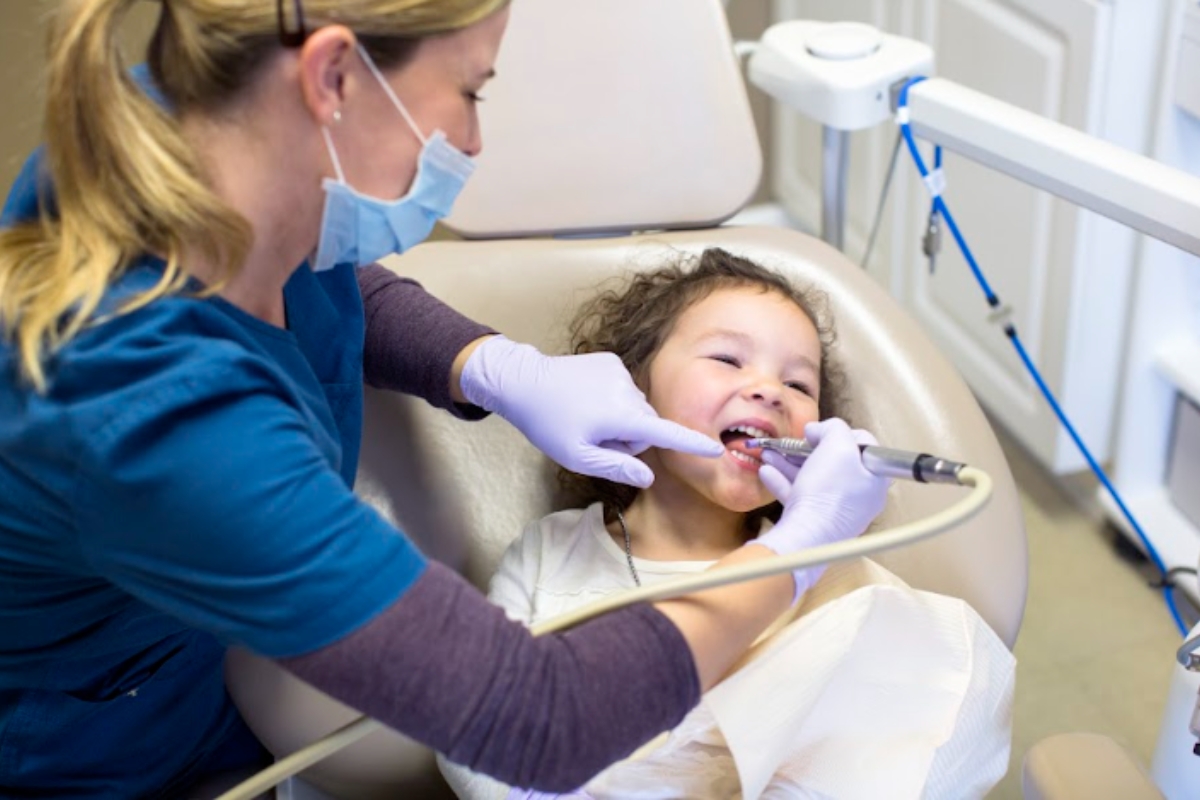
A pediatric dentist is trained specifically to treat children’s teeth, jaws, and emotional needs not just the injury itself. That means age-appropriate explanations, a gentler approach, and techniques designed to help anxious kids feel at ease during an already stressful moment.
At Little Dental Studio in Alexandria, our team understands how overwhelming a child’s dental emergency can feel for parents. We focus on fast, reassuring, child-centered care so your little one feels safe and your questions get answered.
Common Questions Alexandria Parents Ask
My child’s tooth got knocked out is it too late to save it?
Not necessarily. Acting within the first 30 minutes gives the best chance, but it’s always worth calling right away, even if some time has passed.
Should I take my child to the ER for a toothache?
Not usually. The ER is best for breathing issues, uncontrolled bleeding, or spreading facial swelling. For most toothaches, a pediatric dentist is the right first call.
Is a broken baby tooth still an emergency?
It depends. A minor chip can often wait, but pain, bleeding, or a tooth that’s loose or pushed out of place should be checked promptly.
Can a dental infection really cause a fever?
Yes. Fever alongside facial swelling or gum pain can signal that an infection has spread, and it needs timely evaluation.
What if my child has a dental emergency after hours?
Call our office we’ll guide you through next steps and let you know how quickly your child should be seen.
When in Doubt, Reach Out
Dental emergencies rarely happen at convenient times, but recognizing the warning signs early helps protect your child’s smile and comfort. Severe pain, a knocked-out tooth, facial swelling, or signs of infection should never be brushed off or left until morning.
If your child is experiencing a dental emergency, don’t wait. Schedule your appointment today with Little Dental Studio in Alexandria our team is here to help your child feel safe, cared for, and back to smiling as quickly as possible.