


6303 Little River Turnpike, Suite 345 Alexandria, VA 22312


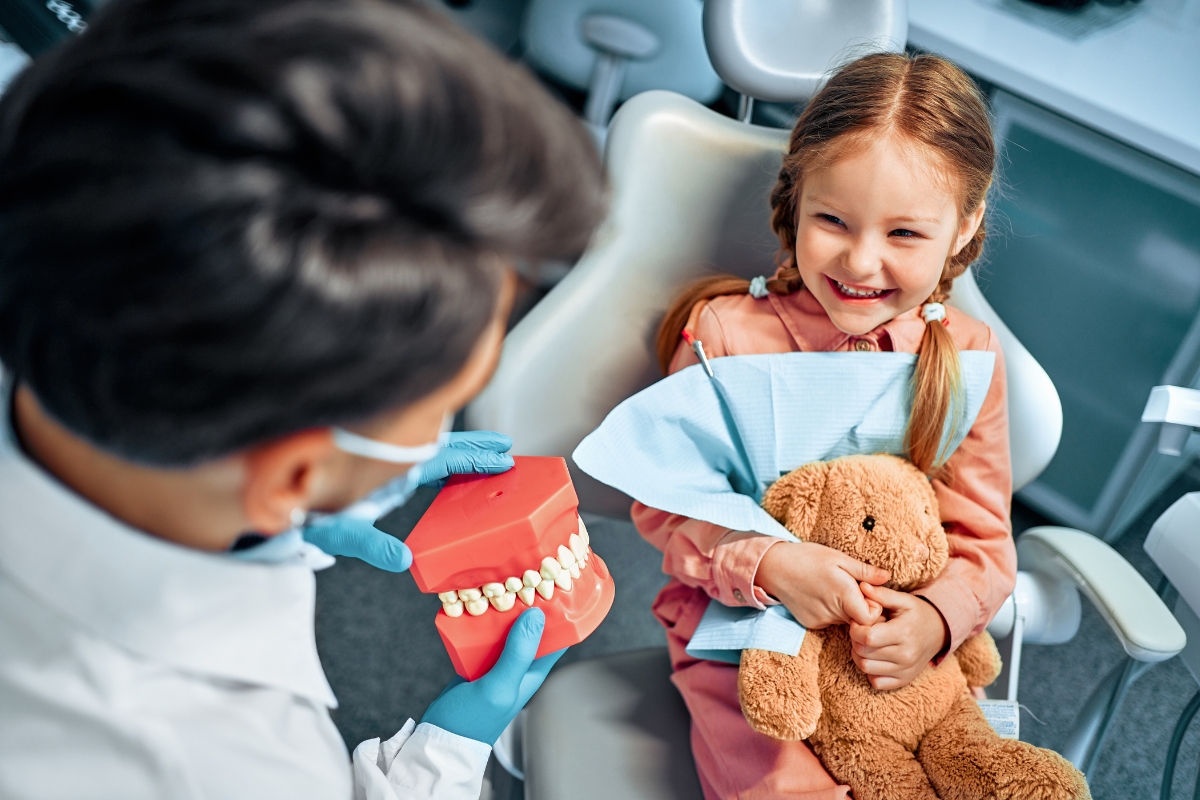
As a parent, you want to give your child every advantage including a healthy, confident smile. But one question comes up again and again in our practice: “When should my child actually see an orthodontist?”
Many parents wait until all the baby teeth are gone, assuming orthodontic care is only for teenagers. Others notice crowding or an unusual bite early on but aren’t sure if it’s something to worry about yet. The truth is, timing matters and knowing what to look for can save your child years of more complicated treatment later.
That’s where pediatric orthodontics Alexandria families trust comes in. At Little Dental Studio in Alexandria, VA, we help parents understand exactly when orthodontic evaluation should begin, what to watch for, and how early action can set your child up for a healthier smile. This guide walks you through everything you need to know.
Why Early Orthodontic Evaluation Matters
Orthodontic problems don’t appear overnight, and they don’t always wait for a full set of adult teeth to show themselves. Jaw growth, tooth eruption patterns, and habits like thumb-sucking all play a role long before the teenage years.
Catching issues early gives your child’s orthodontist more options and often means simpler, shorter treatment down the road. This is the foundation of good pediatric orthodontics in Alexandria: prevention and guidance, not just correction.
Early evaluation can help with:
- Guiding jaw growth in the right direction
- Creating space for crowded or crooked teeth
- Reducing the risk of tooth extractions later
- Correcting harmful habits like prolonged thumb-sucking
- Improving speech and chewing function
The Recommended Age: What the Experts Say
The American Association of Orthodontists recommends that children have their first orthodontic evaluation by age 7. This surprises many parents, since most kids still have a mix of baby and permanent teeth at that age.
By age 7, however, enough permanent teeth have usually erupted that an orthodontist can spot early warning signs even if the child isn’t ready for treatment yet. This is a key part of responsible pediatric orthodontics Alexandria parents should keep in mind: an early visit doesn’t always mean early braces. Often, it simply means early awareness.
Why Age 7 Specifically?
At this stage, the first adult molars come in, establishing the back bite. The front teeth also begin to reveal whether there’s crowding, spacing, or bite misalignment forming.
An orthodontist can use this window to:
- Identify bite problems (overbite, underbite, crossbite)
- Monitor jaw development
- Track how much room is available for incoming permanent teeth
- Decide whether “watchful waiting” or early intervention is appropriate
Signs Your Child May Need an Orthodontic Check-Up Sooner
While age 7 is the general guideline, some signs suggest a visit should happen even earlier. Trust your instincts as a parent if something looks off, it’s worth asking a professional.
Common signs to watch for include:
- Losing baby teeth very early or very late compared to peers
- Difficulty chewing or biting food
- Mouth breathing or snoring
- Thumb-sucking or pacifier use past age 3–4
- Teeth that don’t come together properly when the mouth closes
- Jaws that shift or make sounds when opening/closing
- Crowded, misplaced, or noticeably crooked teeth
- Protruding front teeth
If you notice one or more of these signs, scheduling an evaluation sooner rather than later is a smart, proactive step.
Two Phases of Orthodontic Treatment
Understanding how pediatric orthodontics works can ease a lot of parental uncertainty. Treatment is often broken into two phases, though not every child needs both.
Phase One: Early Interceptive Treatment (Ages 6–10)
This phase focuses on guiding jaw growth and creating space for permanent teeth. It may involve appliances like expanders or space maintainers rather than full braces.
The goal isn’t a perfect smile yet it’s setting the stage for healthier development as more adult teeth come in.
Phase Two: Comprehensive Treatment (Ages 11+)
Once most or all permanent teeth have erupted, this phase typically involves braces or clear aligners to fine-tune alignment and bite. For children who had Phase One treatment, Phase Two is often shorter and more straightforward.
What to Expect at Your Child’s First Orthodontic Visit
A first orthodontic visit is simple and stress-free there’s no need to prepare your child for anything uncomfortable. In most cases, it involves:
- A visual exam of the teeth, jaw, and bite
- X-rays if needed to assess tooth positioning
- A discussion of your child’s growth and dental history
- A personalized recommendation, whether that’s “watch and wait” or early treatment
Families searching for reliable pediatric orthodontics Alexandria providers often appreciate a relaxed, kid-friendly first visit it helps set a positive tone for any future orthodontic care.
Benefits of Choosing Local, Experienced Pediatric Orthodontic Care
Choosing a nearby, experienced provider makes ongoing orthodontic care far more manageable for busy families. Regular check-ups, adjustments, and monitoring appointments are much easier when your clinic is close to home.
At Little Dental Studio in Alexandria, VA 22312, our team focuses on:
- Gentle, patient-friendly care tailored to children
- Clear communication with parents at every step
- Evidence-based treatment timing (no rushing into unnecessary procedures)
- A comfortable, welcoming environment for young patients
Consistent, trustworthy care builds the foundation for long-term oral health not just straight teeth.
Common Questions Parents Ask
My child still has baby teeth. Is it too early to see an orthodontist?
Not at all. In fact, this is exactly the right window. Orthodontists can spot developing issues even while baby teeth are still present, which makes early guidance more effective.
Will my child definitely need braces after this first visit?
Usually not right away. Many children are simply monitored over time. Braces or other appliances are only recommended when there’s a clear benefit to starting treatment.
Are orthodontic evaluations covered by dental insurance?
Coverage varies by plan. Our team is happy to help you understand your benefits and estimated costs before any treatment begins.
What if my child is anxious about visiting an orthodontist?
That’s completely normal. Our approach focuses on making first visits calm, friendly, and low-pressure, so kids feel comfortable rather than nervous.
Can thumb-sucking really affect my child’s teeth?
Yes, prolonged thumb-sucking (especially past age 3–4) can affect tooth alignment and jaw shape. An evaluation can determine whether it’s already having an impact.
How long does early treatment usually take, if needed
It varies by case, but early interceptive treatment is typically shorter and less intensive than full adolescent orthodontic treatment, since the goal is guidance rather than complete correction.
Final Thoughts: Give Your Child’s Smile the Best Start
Orthodontic health isn’t just about straight teeth it’s about proper jaw development, confident chewing, clear speech, and long-term wellbeing. The earlier potential issues are identified, the more options your child’s care team has to guide things in a healthy direction.
If your child is around age 7, or you’ve noticed any of the signs mentioned above, there’s no better time than now to schedule an evaluation. Trusted pediatric orthodontics Alexandria families rely on starts with a simple, informative first visit.
Schedule your appointment today with Little Dental Studio in Alexandria, VA 22312, and take the first step toward your child’s healthiest, most confident smile.
Related Articles